Explore North Cyprus
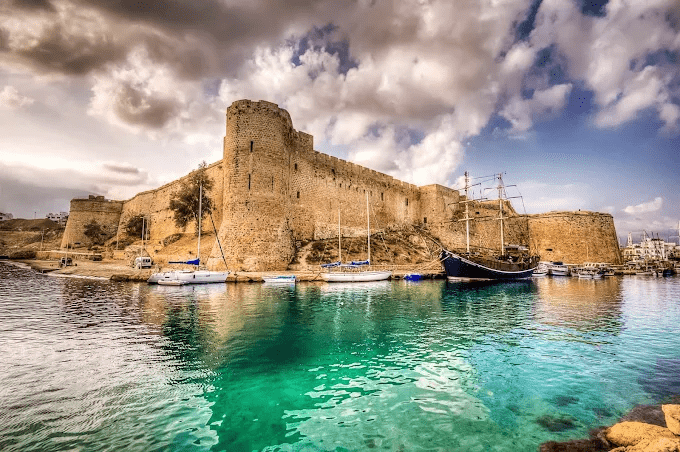
Kyrenia Castle
Discover practical local information, nearby highlights and useful details to help you understand this destination better.
Discover practical local information, nearby highlights and useful details to help you understand this destination better.
This guide gives readers a clearer picture of the destination, including what to expect, why it matters locally and what to explore next.
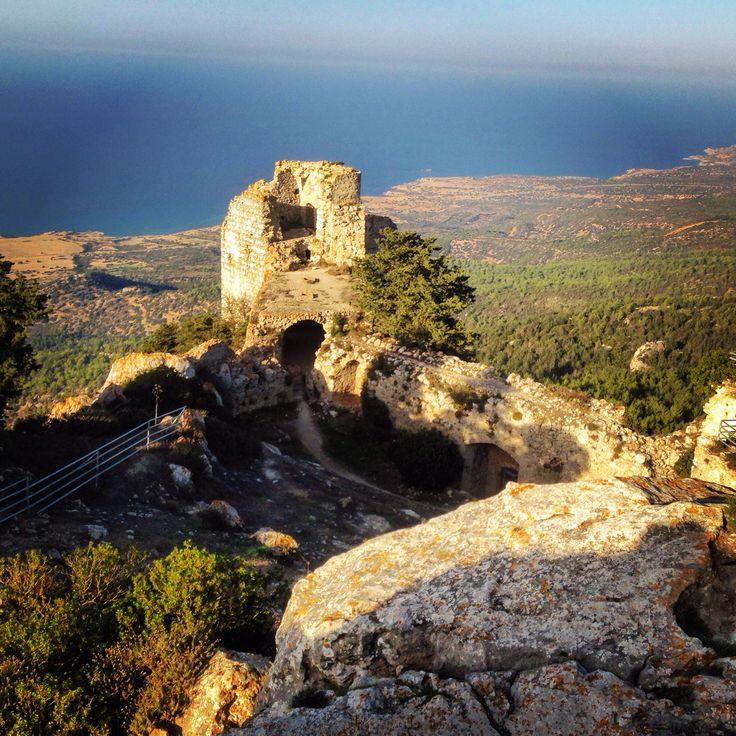
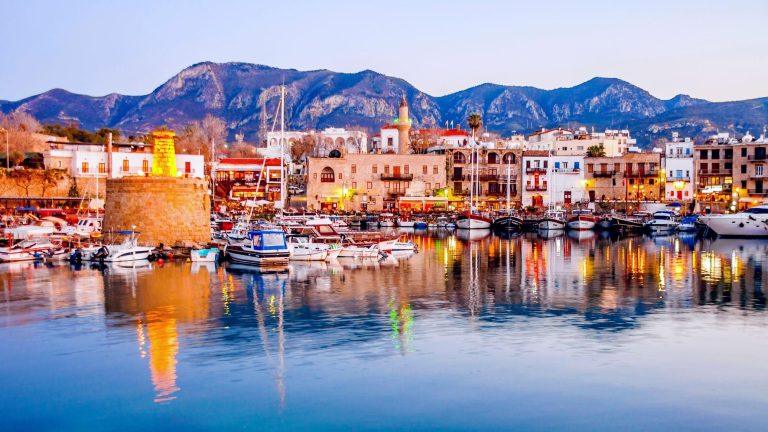
Kyrenia Castle (Greek: Κάστρο της Κερύνειας, Turkish: Girne Kalesi) stands at the east edge of the old harbour. Originally a Roman fort, it was enlarged by the Byzantines in the 7th century to guard against Arab raids [citation:1][citation:7]. The Lusignans rebuilt it between 1208–1211, adding square towers, dungeons, and the royal quarters. In 1191 King Richard I captured both the castle and the island after defeating the last Byzantine governor Isaac Komnenos [citation:1][citation:3]. The Venetians gave it its current shape around 1540, thickening walls and adding cannon embrasures to resist Ottoman artillery [citation:1][citation:4].
The castle surrendered to the Ottomans in 1570 without a fight after Nicosia fell [citation:4]. Later it served as a police barracks and prison during British rule. Since 1960 it has been a museum, and today the Department of Antiquities maintains it, with iconic collections inside [citation:1].
One of the oldest merchant vessels ever raised – a Greek ship that sank around 300 BC [citation:7][citation:10]. Discovered in 1965 by diver Andreas Kariolou, the 14‑metre Aleppo pine hull carried amphorae from Kos, Rhodes, almonds, and millstones. It was already 80 years old when it went down, possibly due to piracy (spear marks found in the hull) [citation:10]. Preserved in a climate‑controlled room together with its cargo — a breathtaking window into ancient Mediterranean trade.
12th c. Byzantine, reused Roman columns with Corinthian capitals [citation:1][citation:10]
Infamous prison where Joanna L’Aleman was tortured; mannequin display [citation:10]
Royal quarters, guardrooms and arched halls from the 13th–14th c.
Massive round bastions (NW, SE) for cannon defence [citation:4]
Neolithic Vrysi, Bronze Age Kirni tombs, Akdeniz ceramics [citation:4][citation:10]
Küpdemir Sk, Girne (Kyrenia) – at the harbour entrance [citation:2][citation:8]
walk from town centre: 5 min
overlooking the Mediterranean, ancient moat (dry today)
8:00 – 18:00 (summer) [citation:2][citation:5]
winter until 16:00 / 17:00 [citation:4]
small fee (cash & card) · last entry 30 min before close
walk the ramparts – harbour views [citation:10]
shipwreck hall & amphorae
tomb of Ottoman admiral Sadik Pasha [citation:1][citation:4]
three‑level gun ports