Explore North Cyprus
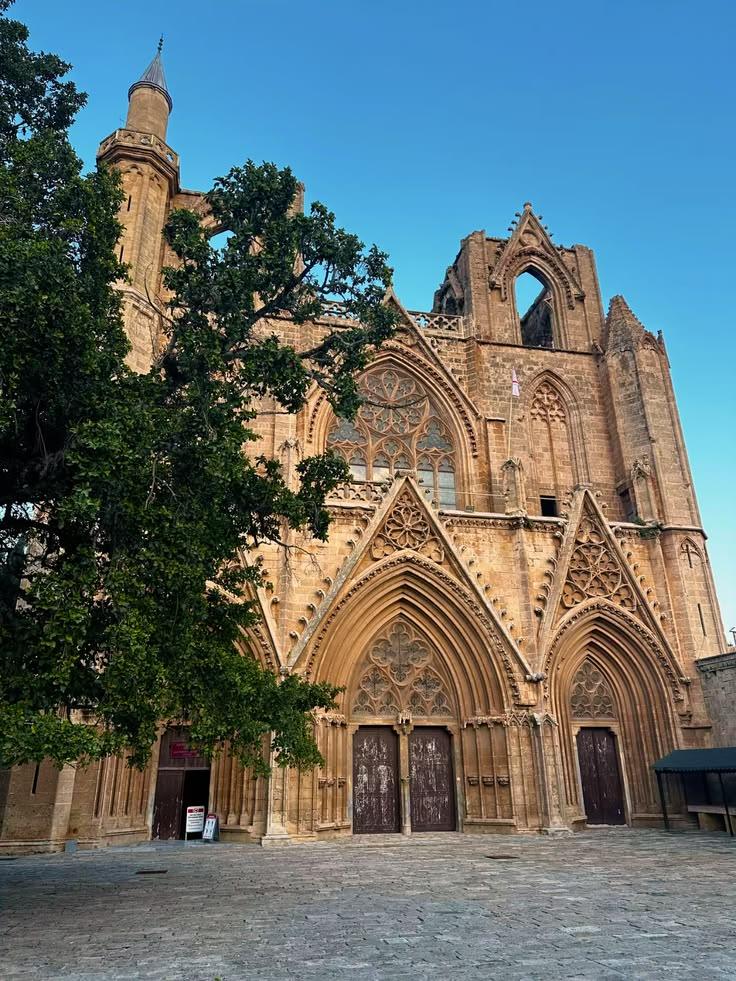
Lala Mustafa Paşa camii
Discover practical local information, nearby highlights and useful details to help you understand this destination better.
Discover practical local information, nearby highlights and useful details to help you understand this destination better.
This guide gives readers a clearer picture of the destination, including what to expect, why it matters locally and what to explore next.
Lala Mustafa Paşa Camii: A Gothic Masterpiece Reimagined
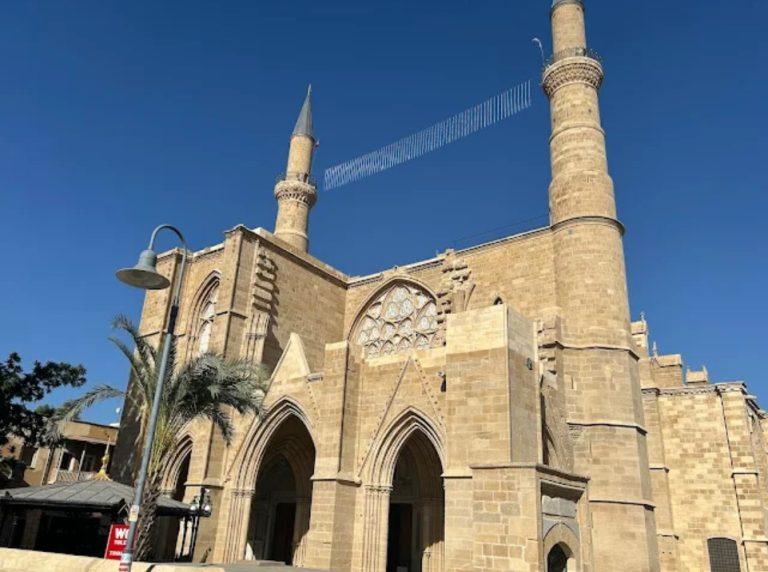
Rising dramatically above the historic city of Famagusta, Lala Mustafa Paşa Camii stands as one of the most striking architectural landmarks in North Cyprus. With its towering spires, intricate stone carvings, and cathedral-like grandeur, this extraordinary building tells a story of transformation—where medieval Gothic elegance meets Ottoman heritage.
Originally built as the Cathedral of Saint Nicholas between 1298 and 1400 during the Lusignan period, this magnificent structure was designed in the style of French Gothic cathedrals—often compared to Reims Cathedral in France.
For centuries, it served as the coronation church for Lusignan kings of Cyprus. However, after the Ottoman conquest of Famagusta in 1571, the cathedral was converted into a mosque and renamed after Lala Mustafa Pasha, the Ottoman commander who led the siege.
Despite its transformation, much of the original Gothic architecture remains intact, creating a rare and fascinating blend of two distinct cultural identities within a single structure.
Lala Mustafa Paşa Camii is widely regarded as the finest example of Gothic architecture in Cyprus, and its exterior alone is enough to leave visitors in awe.
Key features include:
Inside, the contrast becomes even more striking. The ornate Christian iconography has been removed or softened, replaced with the simplicity typical of Islamic interiors—yet the soaring ceilings and Gothic arches remain, creating a unique spiritual atmosphere.
At the entrance of the mosque stands an ancient fig tree, believed to have been planted around the time construction began in the late 13th century. This living relic has witnessed the entire history of the building—from cathedral to mosque—and continues to grow today, adding a poetic touch to the site.
Plan your visit outside of prayer times to explore the interior more freely. Early morning or late afternoon offers the best lighting for photography, especially when the sun highlights the intricate stone façade.
Take time to explore the surrounding square as well—cafes, small shops, and historic streets make this area one of the most atmospheric spots in Famagusta.
If you’re visiting nearby landmarks like Othello Castle or the ancient city walls, this mosque is just a short walk away and easily fits into a half-day itinerary.
Lala Mustafa Paşa Camii is more than just a religious site—it’s a symbol of Cyprus’s layered history and cultural fusion.
Few places in the world offer such a clear visual narrative of transformation, where Gothic architecture and Islamic tradition coexist so seamlessly. Whether you’re passionate about history, architecture, or simply discovering unique places, this landmark delivers an experience that is both visually stunning and deeply meaningful.
It’s not just a stop on your journey—it’s a story carved in stone.